Funding Your Tribal College Education: A Complete Aid Guide
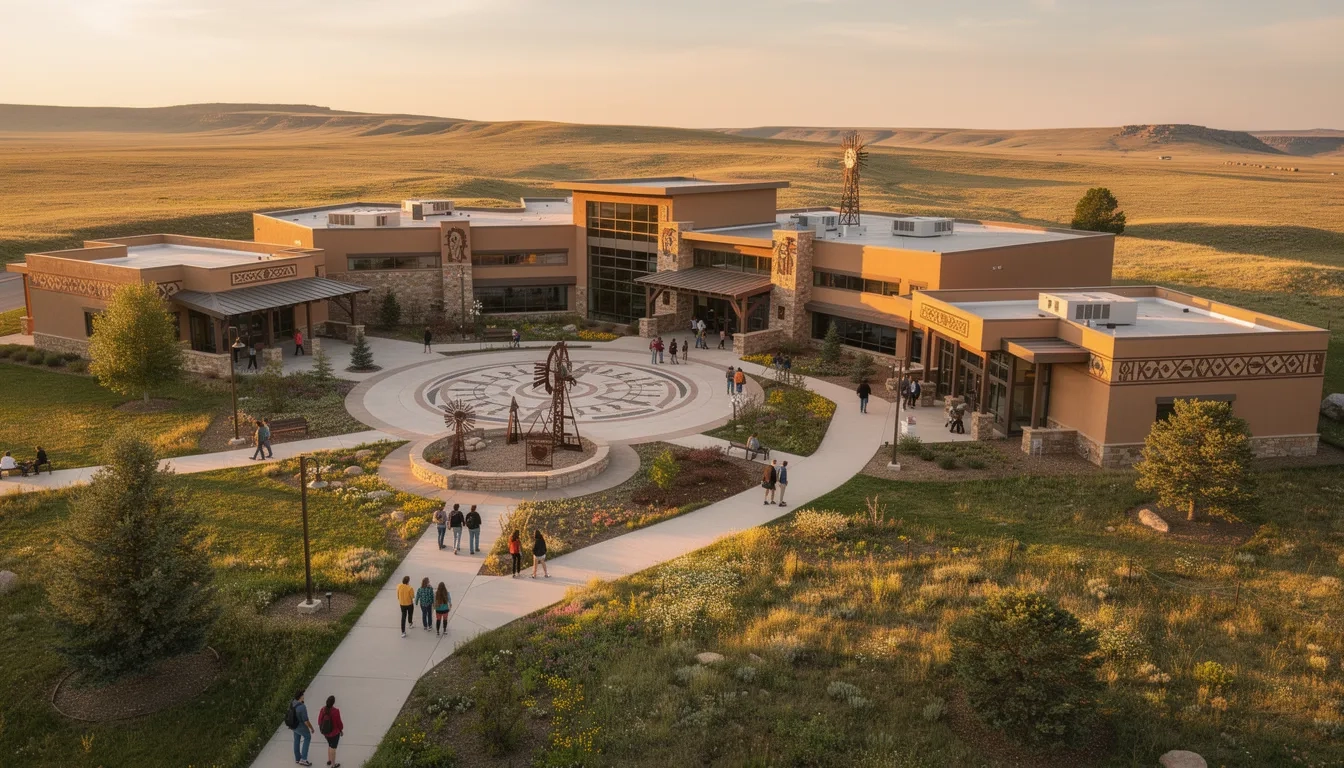
Only about 19% of Native Americans between ages 18 and 24 enroll in higher education. The national average sits at 41%. That gap has many causes, but one of the most fixable is this: students at tribal colleges are regularly leaving thousands of dollars in available aid unclaimed because they didn't know where to look, applied to the wrong office, or assumed a program wasn't for them. This guide cuts through the noise. Here is where the money actually is, how to qualify, and the order you should apply.
How Tribal College Financial Aid Actually Works
Tribal colleges don't run on the same financial model as state universities. The American Indian Higher Education Consortium (AIHEC), which represents all 33 accredited Tribal Colleges and Universities (TCUs) in the US, has long documented that these institutions receive virtually no state funding. Private endowments are thin. That means students rely almost entirely on a combination of federal programs, tribal nation funding, and private scholarships.
This creates both a challenge and an opportunity. The challenge is that aid sources are fragmented across federal agencies, tribal education offices, and nonprofits that don't always communicate with each other. The opportunity is that a student who knows all three layers can often stack them in ways that make a TCU education genuinely affordable, sometimes without any loans at all.
Tuition at most tribal colleges runs significantly lower than at four-year state universities. Sitting Bull College in North Dakota, for example, charges around $4,500 per year in tuition. Layer grants and scholarships on top of that, and covering most or all of your costs without borrowing is a real possibility, not a fantasy.
Start With FAFSA — But Know Its Quirks for TCU Students
Everyone knows the FAFSA is the gateway to federal aid. Fill it out, establish your financial need, unlock Pell Grants and federal loans. But a few things specific to tribal college students get skipped in most guides.
First: not every TCU participates in federal loan programs. You can verify whether your school has an active Federal School Code on StudentAid.gov. If it does, you're eligible for the full federal aid menu. If it doesn't, you're limited to grants and outside scholarships — but that's not necessarily a crisis, given what else is available.
Second, if you or your family emigrated from Canada, pay close attention to the Jay Treaty provision. Native American students born in Canada with at least 50% Indian blood qualify for Title IV federal aid. They should mark "eligible non-citizen" on the FAFSA and provide documentation — a band card, birth records, or provincial identification. Most families never learn this exists, and it can unlock Pell Grant eligibility they would otherwise miss entirely.
The Pell Grant maximum award is $7,395 for the 2024–25 academic year. At a TCU with tuition under $5,000, that single grant can cover your full tuition bill with money left over for books and fees.
BIA and BIE Grants: The Most Overlooked Layer
The Bureau of Indian Affairs (BIA) and Bureau of Indian Education (BIE) run the two federal grant programs most specific to Native American students — and they're chronically underused because students don't apply through the right channel.
The BIE Higher Education Grant is not filed on a federal website. It goes through your tribal education office.
This is where most students get tripped up. The application runs through your tribe's education department, not through StudentAid.gov or any federal portal. Deadlines typically fall between March and April for the following academic year. Miss that window, and you wait a full twelve months. Getting on your tribal education office's email list is probably the single most valuable administrative step you can take before your first semester.
BIA grant awards range from $500 to $4,000 per year depending on financial need and available tribal funds. Eligibility requires enrolled membership in a federally recognized tribe, demonstrated financial need, and acceptance at an accredited institution. The BIA also directly funds 26 institutions including Haskell Indian Nations University and Southwest Indian Polytechnic Institute — students at those schools have additional routes to aid worth exploring.
The Indian Health Service (IHS) Scholarship deserves its own mention for anyone headed into health fields, engineering, or accounting. According to Finaid.org's resource on Native American aid, the IHS program covers full tuition, fees, books, uniforms, equipment, travel, insurance, and national board exams — plus a monthly living stipend. It's a service-commitment scholarship, meaning recipients agree to work in underserved communities after graduation, but the coverage is among the most complete of any program in this space.
The American Indian College Fund: Your Biggest Non-Government Source
The American Indian College Fund distributes more scholarships to Native students each year than any other nonprofit in the country. They offer three main tracks:
- Undergraduate Tribal University Scholarship — for students enrolled at one of the 33 accredited TCUs
- Undergraduate Non-Tribal University Scholarship — for Native students attending mainstream colleges and universities
- Full Circle Scholarship — for graduate-level students
You can reach them at 1-800-776-FUND or through collegefund.org.
My honest take: students often treat the College Fund as a fallback after they've applied everywhere else. That's backwards. Apply here early. The institutional scholarships through the Fund are among the better-funded, less competitive awards out there, partly because the eligible pool is smaller than mainstream scholarship programs.
Your Tribe's Own Financial Aid Programs
This layer surprises people the most. Many individual tribal nations operate their own scholarship and grant programs for enrolled members, and these awards stack on top of federal aid.
The Cherokee Nation, Navajo Nation, and Chickasaw Nation all run substantial higher education programs. Terms differ considerably — some are outright grants, some are forgivable loans, and some carry a service obligation (typically requiring you to work within the tribal jurisdiction for a set period after graduation). The service-commitment awards are worth a close look if you plan to return to your community anyway.
To find your tribe's program, contact your tribal enrollment office directly. The BIA's Tribal Leaders Directory lists contact information for all 574 federally recognized tribes. Don't assume a program doesn't exist because you've never heard of it — many tribal education programs are underadvertised and chronically underenrolled.
One coordination note that matters: your TCU financial aid office needs to know about tribal grants before they finalize your package. Undisclosed awards can push you over your cost of attendance and create repayment headaches later.
More Scholarships Worth Adding to Your Calendar
Beyond the federal and tribal tracks, a set of private scholarships specifically targets Native American students. These are worth building into your fall and winter application schedule:
| Scholarship | Focus Area | Key Details |
|---|---|---|
| Udall Undergraduate Scholarship | Environment, tribal policy, health care | $7,000 award; GPA 3.0+ required |
| AISES Scholarships (incl. AISES Google) | STEM fields | Multiple awards; AISES membership required |
| Catching the Dream | STEM and business | Tier-based awards by GPA and need |
| Daughters of the American Revolution | General academic | $500 awards; deadlines August 1 and November 1 |
| AAIA Scholarship Program | General academic | Tribal enrollment verification required |
Proof of ancestry is non-negotiable across all of these, and consumer DNA tests like AncestryDNA do not count. Accepted documentation includes a Certificate of Indian Blood (CIB) issued by the BIA, tribal enrollment records, official birth records, or formal genealogical documentation from vital statistics offices. Getting this paperwork organized before application season opens prevents a scramble at the worst possible moment.
Loans: The Right Borrowing Order
If grants and scholarships don't fully cover your costs, loans are the next step. Here's the sequence that makes financial sense:
- Direct Subsidized Loans first — the government pays interest while you're enrolled; current rate is 6.53%
- Direct Unsubsidized Loans — same interest rate, but interest accrues during school
- Parent PLUS Loans — available for dependent students; higher rate at 9.08%
- Private loans last — rates range from 5% to 16%, credit checks required, and a cosigner is frequently necessary
One non-obvious point: at TCUs with tuition under $5,000, a student who has properly applied for the Pell Grant, a BIE grant, and a tribal scholarship may find their loan need is zero. Don't reach for loans before you've worked through every grant layer.
Bottom Line
The funding is there. The tricky part is knowing where each piece lives and applying in the right sequence.
- File FAFSA early — even if your TCU doesn't participate in federal loans, the Pell Grant alone can cover tuition at most tribal colleges
- Contact your tribal education office before March — BIE grant deadlines aren't on StudentAid.gov, and missing them costs you a full year
- Apply to the American Indian College Fund directly — it's the largest non-government funding source for Native students and less competitive than it should be
- Ask your tribe — many nations have education programs that enrolled members never tap simply because they didn't ask
- Disclose all awards to your TCU financial aid office so your package is built correctly from day one
These funding layers are not alternatives to each other. Stack them. That's how tribal college becomes affordable.
Frequently Asked Questions
Do I need to attend a tribal college to qualify for Native American financial aid?
No. Most federal programs, including BIA grants and the American Indian College Fund's main scholarships, are available to Native students at any accredited institution. Some awards, like the Undergraduate Tribal University Scholarship, are specific to TCUs, but the majority travel with you regardless of where you enroll. Attending a TCU does make you eligible for a broader set of options, but your core federal and tribal eligibility isn't tied to school type.
What counts as proof of Native American ancestry for scholarship applications?
A Certificate of Indian Blood (CIB) issued by the BIA or official tribal enrollment documentation are the standard accepted forms. Official birth records and formal genealogical documents from vital statistics offices also qualify in most cases. Consumer DNA tests — regardless of the percentage they report — are not accepted by any federal program or reputable private scholarship organization.
Is there a GPA requirement for tribal college financial aid?
Federal programs like Pell Grants and BIE grants are need-based and carry no GPA minimums. Many tribal nation scholarships are also primarily need-based. Private scholarships vary: the Udall requires a 3.0 minimum, and Catching the Dream has tier-based GPA thresholds. The IHS scholarship looks at academic standing but prioritizes field of study and service commitment over grades.
What if my tribe is not federally recognized?
This is a real barrier. Most federal programs require enrollment in a federally recognized tribe, and the list of 574 recognized nations doesn't include every community with a legitimate tribal history. If you're in this situation, look to state-based programs — Montana, Washington, and Minnesota all maintain dedicated higher education grants for Native students with different eligibility criteria — and to private scholarships that accept documented ancestry rather than requiring federal enrollment.
How do tribal scholarship service obligations actually work?
Service-commitment awards (common in IHS and some tribal nation programs) require you to work in a specified location or field for a defined period after graduation, typically one to two years per year of funding received. If you don't fulfill the obligation, the award converts to a loan you must repay, often at a penalty rate. These are excellent deals if your career plans already include working in your community or in underserved health settings — but read the terms before you accept.
Can I combine multiple sources of financial aid at a tribal college?
Yes, and that's the whole strategy. Federal Pell Grants, BIE grants, tribal nation scholarships, and private awards can all be combined — but you must disclose every source to your TCU financial aid office. Receiving more than your cost of attendance creates repayment obligations under federal rules. Done correctly, stacking these sources at a lower-cost TCU can fully cover tuition, fees, and living expenses with no loan debt at all.
Sources
- Financial Aid for Native American Students - Finaid
- Tribal College Student Loan Options - College Finance
- Scholarships for Native American Students - BestColleges
- The Ultimate Guide to Native American Scholarships - The Scholarship System
- College Success for Native American Students - Affordable Colleges Online
- Financial Aid and College Preparation Resources - Federal Student Aid