New approach boosts teacher retention in Riverside

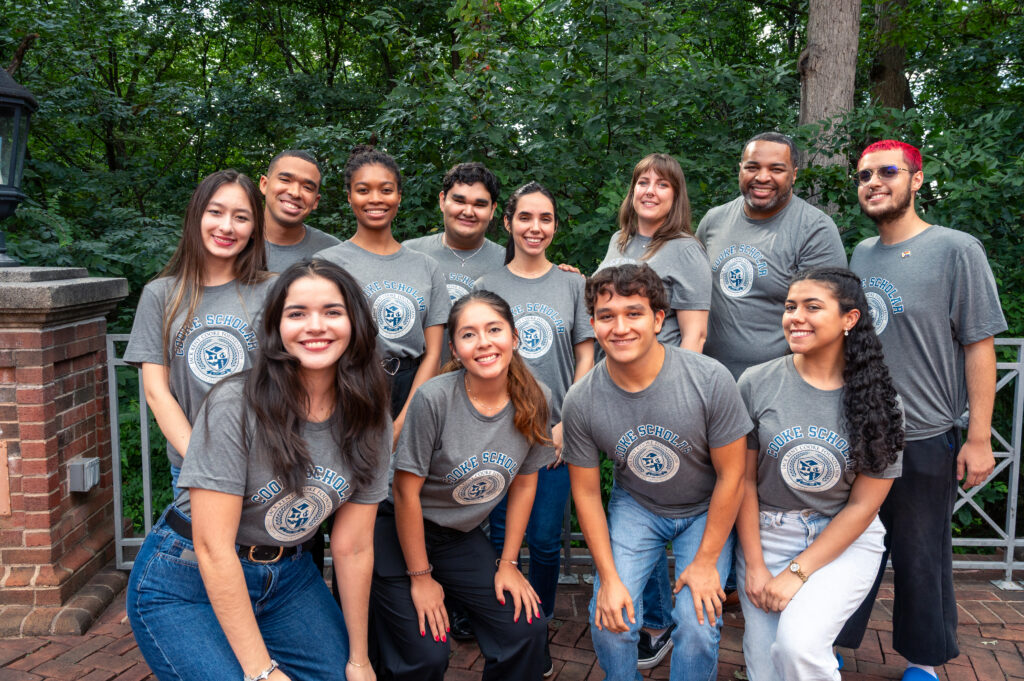
New teachers participate in a workshop at Riverside Unified School District.
Credit: Photo by Liam Ogawa / Riverside Unified
California’s teacher workforce is finally showing signs of recovery. After a two-year slide, followed by renewed investment, the number of new teaching credentials issued in the state has increased. It’s welcome news after years of struggle to fill classrooms.
But while we add teachers on one end, too many are still leaving on the other. This turnaround in recruitment and healthy pipelines will fall short if we don’t address how we build responsive, modern support for new teachers. So many leave within just a few years, and two-thirds of teachers who leave do so in large part due to dissatisfaction, often because they work within systems that don’t support them as well as they could.
That’s why, in Riverside Unified School District (RUSD), we constantly ask, “What do teachers need?” Our willingness to adapt has been central to our success in retaining talent.
It’s a district’s responsibility to address what we know to be true: Nearly half of all teachers who leave the profession do so within their first five years. The reasons are rarely about ability or intent. They’re often about isolation, burnout, poor working conditions and lack of structured support.
This isn’t inevitable. Research confirms that teachers who receive strong, structured mentoring and induction are far more likely to stay in the profession. A recent Walton Family Foundation and Gallup report confirms this: 80% of teachers who rate their opportunities for professional growth positively are satisfied with their jobs.
But having support in name only or using approaches that haven’t been brought up to date for a modern teacher workforce will fall short.
Before 2017, Riverside Unified’s new teacher support happened mainly through California’s Beginning Teacher Support and Assessment (BTSA) induction program. Seeing a need for a more comprehensive support system — one that included pre-credential and experienced teachers new to the district — we modeled a new approach after Montgomery County, Maryland’s, professional growth systems.
In 2018, we launched a full-release “support teachers” (aka mentors) program through our continuing partnership with the New Teacher Center, a nonprofit professional learning organization. Our collaboration provides the research-based framework, professional learning design, tools and training to sustain high-quality mentoring.
Then came the pandemic, an evolving teacher workforce, and shifting talent pipelines. Starting from our core professional learning, we have evolved through ongoing reflection and innovation to stay aligned with what teachers need most at any given moment. Currently, we’re focused on:
- Supporting the whole teacher and the practitioner. We prioritize wellbeing, connection and professional growth. Support teachers also meet weekly to co-reflect, plan and analyze student learning evidence in manageable, focused feedback loops.
- Normalizing coaching as a professional practice. We reframed coaching as growth, not remediation. Now, having a coach is a hallmark of professional culture.
- Aligning leadership with teacher growth. Triad meetings between teachers, mentors and principals ensure coherence and a community-led effort while preserving confidentiality and building trust.
- Using data through a human lens. Surveys, perception tools and empathy interviews surface what our teachers need in real time so we can adjust support as we go.
- Building community and leveraging strengths. Sustaining positive morale and trusting connections between teachers and staff starts by focusing on our individual and collective assets.
- Designing supports with intention. Dedicated, full-time support teachers ensure quality, depth and responsiveness, gaining a systemwide view that they carry back into classrooms when they return to teaching.
The message is simple but profound: When we take care of the people who care for students, everyone flourishes.
The results are clear. Over the last four years, our Program Quality Survey shows dramatic gains: New teachers agreeing that “my school is a good place to work and learn” — an early key indicator of retention — rose from 82% to 97%, and intent to keep teaching in their school from 76% to 88%.
California has invested heavily in teacher recruitment and preparation. But we know firsthand that it’s critical to focus on retention infrastructure and support systems to shift teaching from a test of endurance to a sustainable profession. That means:
- Ensuring every new teacher has access to high-quality induction and mentoring, not just a subset of districts.
- Expanding performance support programs that view struggling teachers as learners, not liabilities.
- Tracking how our support structures lead to teachers retained — the true measure of workforce health.
California can absolutely staff its classrooms without failing kids, but only if we tackle the shortage of support that’s failing the teachers who serve them.
•••
William (Hans) Kaufhold is an induction specialist at the Riverside Unified School District.
Christina Colis is a professional growth systems teacher liaison with expertise in special education in the Riverside Unified School District.
The opinions expressed in this commentary represent those of the author. EdSource welcomes commentaries representing diverse points of view. If you would like to submit a commentary, please review our guidelines and contact us.