Justice for decades-old crimes is costing today’s students
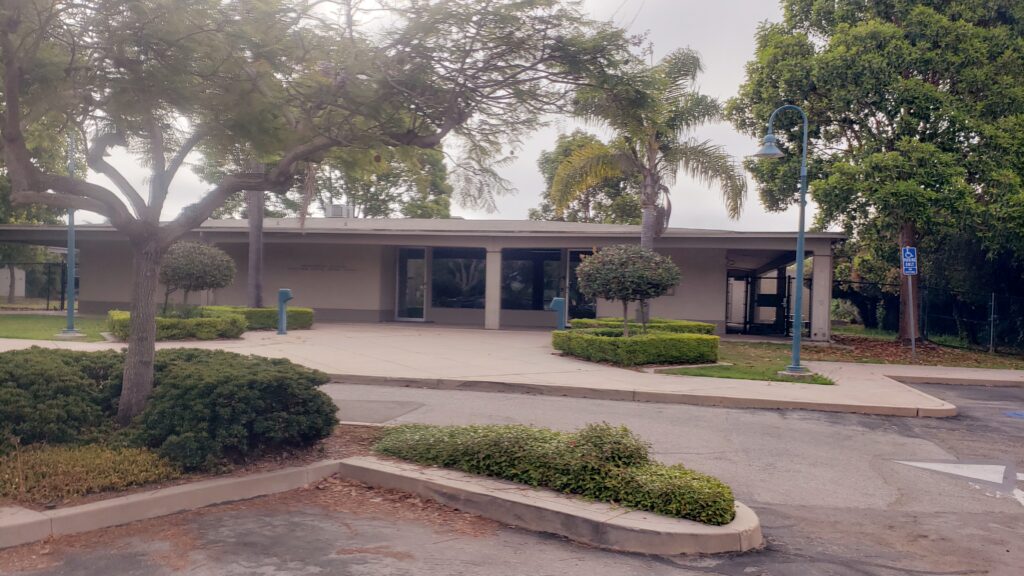
Carpinteria Unified School District office.
Credit: Courtesy of Andy Sheaffer
Across California, school districts are confronting an impossible truth: the cost of justice for past wrongs is being paid out of the budgets that serve today’s students.
When Assembly Bill 218 became law, it rightly opened long-closed doors to justice for survivors of childhood sexual abuse. That purpose remains important. I am committed to standing with survivors and supporting their right to be heard and to seek accountability. But five years later, it is undeniable that the unintended consequences imposed on school districts by this law are an existential threat to public education in California.
Districts like mine are beginning to navigate real choices that impact teachers and students today: not hiring additional staff, increasing class sizes, forgoing raises for teachers in line with inflation and a rising cost of living, and deferring desperately needed repairs — not only because of declining enrollment or the evaporation of Covid-19 funds, but because of massive legal settlements tied to decades-old claims. These costs are being pulled directly from classroom budgets, not state reserves or insurance payouts. In some cases, the claims predate any known documentation, witnesses, or even the existence of current staff or board members.
For instance, Carpinteria Unified School District, which I attended as a young student (for my entire primary education), is now being pushed to the brink of receivership. We have already paid close to $1 million in legal fees related to four AB 218 cases concerning alleged abuse from 50 years ago, money directly taken from today’s classrooms. As a smaller district, we serve 1,900 students, the majority of whom are low-income and Latino. These unanticipated costs are straining our $42 million annual budget, and with these cases set to go to trial next year, our exposure is nearly the same, as each claim averages between $5 million and $10 million in exposure.
A lack of insurance records has left us on the hook for potential record settlement costs, and because these records date as far back as the 1960s, we’ve paid for insurance archaeologists. Many insurance companies that operated 50 years ago no longer exist. Until the statute was radically altered, there was no exposure or reason to be concerned with such things. While we are contending with rising liability insurance rates, we are also incurring hundreds of thousands of dollars in reassessment bills from the School Excess Liability Fund, stemming from cases from decades ago, for which record settlements have been made, and all former pool members are liable, even if they have no active cases. These are just some examples of the unintended consequences we’re facing due to AB 218.
We are not the only California school district in this situation. The estimated liability statewide exceeds $3 billion. And while trial attorneys may walk away with upwards of 40% to 50% of these settlements, school leaders are left having to do creative math, trying to figure out how to serve our increasingly vulnerable communities with decreasing funds.
We are paying for the past without any plan to protect the present or invest in a safer future. AB 218 created an overdue pathway to justice, but it did so without guardrails. It did so with no funding mechanism, no financial protections for school budgets, and no limits on profit-taking by private firms. Public education was left to absorb the cost, and if that is not fixed soon, today’s students and teachers will be collateral damage.
Despite the scale of the crisis, the policy response has fallen short. Proposed legislation lacks the urgency and substance necessary to address the financial burden districts are facing. Insurance premiums are skyrocketing. Settlements have ballooned to nuclear levels, often far exceeding what a similar case might have cost even a decade ago. School leaders are raising the alarm, not to avoid accountability, but to preserve their ability to serve students today.
We know the political waters are treacherous — but that’s exactly why we look to our state’s leadership to stand up for today’s students and teachers. The burdens of yesterday should not be borne on the backs of today’s students.
California faces a clear choice: Continue down a path where outdated claims bankrupt school systems or take decisive action. That means enacting meaningful policy reforms that shield public education budgets from being drained by historic liabilities, while still upholding our moral obligation to survivors. Justice and sustainability are not mutually exclusive, but achieving both will require real leadership. Today’s children deserve no less.
•••
Andy Sheaffer is a former student of Carpinteria Unified School District and current vice president of the board.
The opinions expressed in this commentary represent those of the author. EdSource welcomes commentaries representing diverse points of view. If you would like to submit a commentary, please review our guidelines and contact us.