How one rural county pays for its resource officers
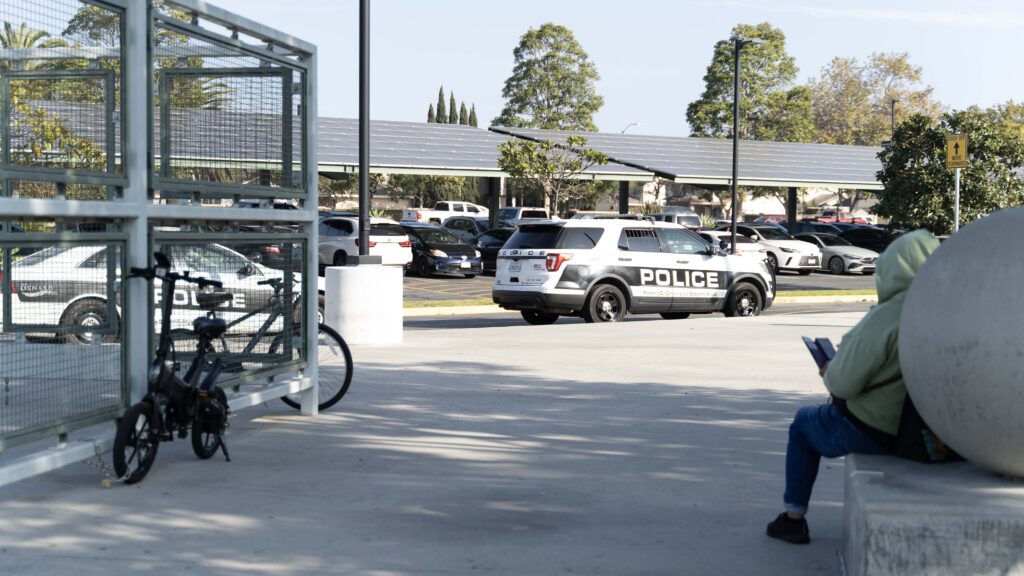
While some districts commit millions of dollars to resource officers, others struggle to find funding.
Trinity County, population 16,500, has cobbled together a school policing program using a state grant funded by taxes on marijuana sales.
Calling the Cops Investigation
Editor’s Note: This is a continuing investigation into school policing in California.
Special Report: California school districts spend millions on policing, with little scrutiny
Special Report: Numerous districts don’t heed federal advice to bar police from enforcing school rules
Related Article: Resource officers’ ‘position of trust’ with students sometimes exploited
The grant helps pay for two resource officers who cover nine widely spaced districts across the county’s 3,208 square miles, most of it national forest. Checking on one school requires a five-hour drive round trip on mountain roads, County Superintendent of Schools Fabio Robles said.
The officers, a deputy sheriff and a juvenile probation officer, balance their work at schools with other law enforcement duties.
They can only get to some schools a few times a year. “It’s a challenge,” Robles said in an interview in Weaverville, the county seat. The sheriff’s office and the probation department did not allow the officers to be interviewed for this story.
Only one district has a contract with the county. Trinity Alps Unified agreed to an open-ended agreement with the county in 2020. That agreement doesn’t address school discipline.
Robles said he wants to revisit the issue of contracts, but his priority is to keep the resource officer program running.
“We’ve taken a step back lately,” Robles said of formal agreements between the districts and the counties. Contracts “are something we should re-look at,” he said.