Federal Grants for HBCU Students: What You Need to Know
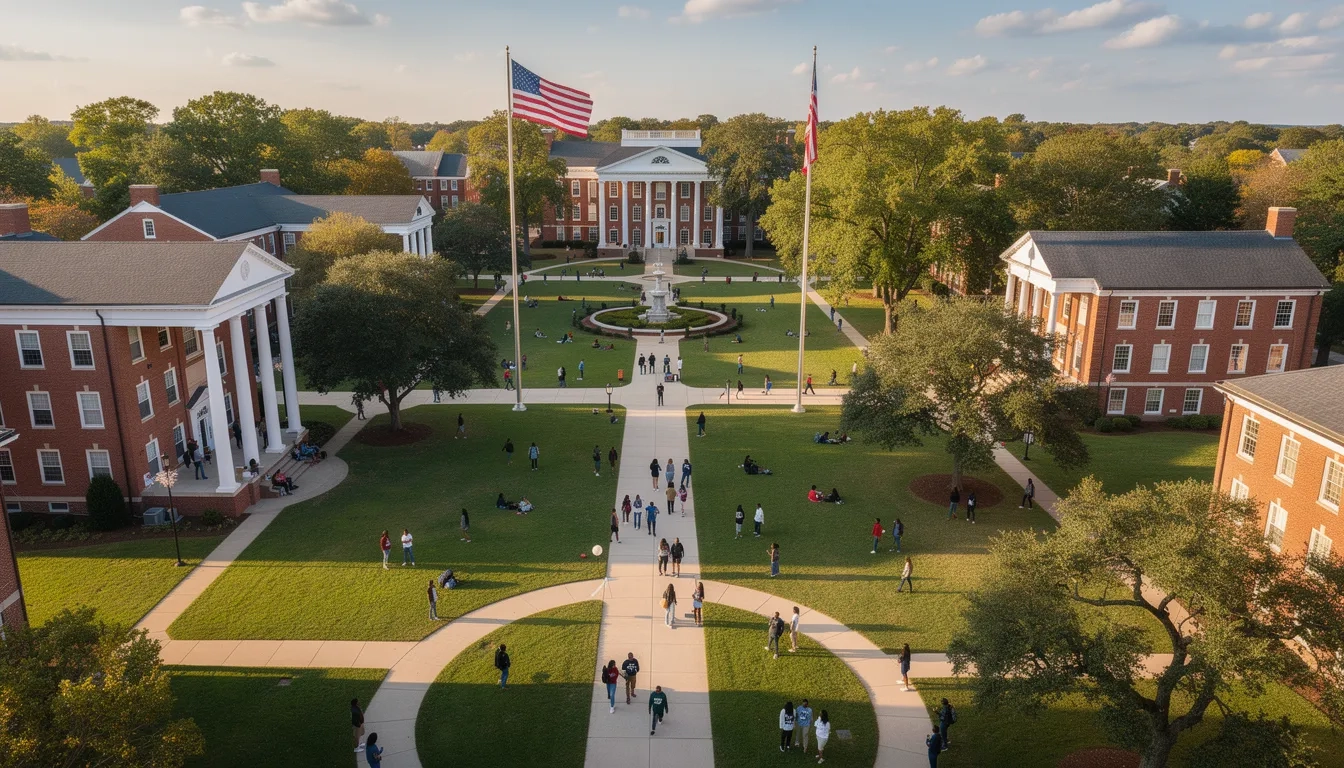
Roughly 71% of HBCU students receive Pell Grants — more than double the national average of around 30%. That isn't a minor statistical quirk. It's a signal that for most students at historically Black colleges, federal grants aren't a bonus layer of funding. They're the foundation. And right now, that foundation is shifting in ways that every prospective and current HBCU student needs to understand before submitting a single application.
Why Federal Grants Matter More at HBCUs
HBCUs were built to serve students who were locked out of other institutions. That mission hasn't changed. Today, HBCU campuses disproportionately serve first-generation college students, low-income families, and students from communities with limited generational wealth. The United Negro College Fund reports that nearly 70% of HBCU students come from households where college attendance is a new chapter, not a family tradition.
That demographic reality has a direct financial consequence. Grant dollars stretch further at HBCUs because tuition tends to run lower than at comparable predominantly white institutions. A student at Spelman College or Howard University who qualifies for maximum federal aid might cover the bulk of their direct educational costs through grants alone — no loans required.
But the math only works if students actually claim what they're entitled to. Many don't, either because they assume they won't qualify or because they miss application windows.
The Journal of Blacks in Higher Education found that the median percentage of Pell Grant recipients across HBCU campuses sits at 59% — meaning the typical HBCU has well over half its student body receiving this grant. That's not an outlier. That's the norm.
The Pell Grant — Your Starting Point
The Federal Pell Grant is the cornerstone of federal financial aid for HBCU students, and it's the first thing you should pursue. For the 2024-2025 academic year, the maximum award was $7,395. You don't earn it back later — it's free money tied to financial need.
Eligibility comes down to a few factors:
- U.S. citizenship or eligible non-citizenship status
- Enrollment in a Title IV-eligible degree program
- Demonstrated financial need via the FAFSA (no minimum GPA required to initially qualify)
- No outstanding federal grant refunds or loan defaults
One thing that surprises people: there's no income cutoff that automatically disqualifies a family. The Student Aid Index (SAI) calculation is complex enough that families earning more than they expect can still receive partial awards. File the FAFSA anyway. Always.
The 2026-27 FAFSA opened on October 1, 2025. If you haven't filed yet, file now. Many HBCUs distribute institutional funds on a first-come, first-served basis, which means waiting until February isn't just suboptimal — it's often the reason students miss money they were otherwise entitled to.
The Other Federal Programs You're Probably Missing
The Pell Grant gets all the attention, but two other federal programs deserve a serious look.
The Federal Supplemental Educational Opportunity Grant (FSEOG) adds up to $4,000 per year for undergraduates with the most significant financial need. It's campus-administered, meaning your HBCU controls the distribution. Here's the non-obvious part: HBCUs automatically receive a waiver on the nonfederal matching requirement that other schools must meet, which means your school can direct more of this money to students without digging into its own budget.
| Grant Program | Max Annual Award | Who It's For | Key Condition |
|---|---|---|---|
| Federal Pell Grant | $7,395 | Undergrads with financial need | FAFSA required annually |
| FSEOG | $4,000 | Exceptional need, Pell recipients first | Campus-distributed, limited funds |
| TEACH Grant | $4,000 | Education majors | Must fulfill 4-year teaching commitment |
The TEACH Grant is genuinely underused at HBCUs. Education majors who commit to teaching for four years at a low-income elementary or secondary school after graduation can receive up to $4,000 per year. Given that HBCUs produce a disproportionate share of Black educators in America, this grant aligns well with career paths many students are already pursuing.
One warning: if you receive a TEACH Grant but don't complete your teaching service, it converts to an unsubsidized loan — with interest backdated to the disbursement date. Read the Agreement to Serve carefully before signing.
What the 2025 Policy Shifts Actually Mean for You
The "One Big Beautiful Bill," passed in 2025, restructured federal student aid in ways that hit HBCU students harder than average. The changes are worth understanding before you assume your aid package will look like your older sibling's.
Pell Grant eligibility tightened. Stricter income verification, reduced lifetime eligibility limits, and new enrollment requirements mean students attending school part-time or intermittently — which describes a significant share of working HBCU students — may find themselves disqualified for awards they previously received.
The bill also capped Parent PLUS loans at $20,000 annually and $65,000 over a lifetime. For some families that had relied on PLUS borrowing to bridge gaps, this changes the math on affordability overnight. And reductions in Federal Work-Study funding mean fewer campus jobs, which many HBCU students used to cover books, housing, and food.
The key response to all of this: apply earlier, apply for everything, and don't assume last year's package predicts this year's. Policy changes like these are exactly why sitting on your FAFSA until March is a mistake.
The federal policy goal of reducing student debt is reasonable. But tightening aid eligibility for working students who attend intermittently is moving the goalposts on the exact population these programs were designed to help.
The Uncomfortable Reality: Schools at Risk of Losing Aid Access
Here's something most financial aid guides won't tell you. According to a Bankrate analysis, nearly 60% of HBCUs are at risk of losing federal financial aid eligibility entirely — not because of student behavior, but because of systemic loan repayment patterns.
Federal regulations require schools to maintain acceptable student loan repayment rates. HBCU graduates, who disproportionately enter public service, nonprofit, and education careers (lower-paying fields), struggle to hit repayment benchmarks compared to graduates of schools that feed into finance or tech pipelines. Schools that fail these benchmarks risk losing Title IV eligibility, which means students at those schools can no longer use Pell Grants, SEOG, or federal loans.
Florida A&M University has been one of the most visible examples of a public HBCU navigating the intersection of underfunding, high Pell Grant dependency, and mounting federal compliance pressure.
Before committing to a specific HBCU, check its current Title IV status on the Department of Education's database. If a school is on the edge of losing eligibility, that affects every grant dollar you'd plan to use there.
How to Actually Lock In Federal Grants — Step by Step
This is the practical part. The grant money exists. The question is whether your paperwork lands at the right time.
- File the FAFSA at studentaid.gov starting October 1 each year. Use your HBCU's federal school code. If you're deciding between schools, list all of them — the FAFSA sends your info to every code you include.
- Gather tax documents before you sit down. The IRS Data Retrieval Tool can pull your family's tax data directly, but only if your return has been filed and processed.
- Contact your school's financial aid office before you enroll. Ask directly whether the school awards FSEOG, how quickly the fund depletes each year, and whether TEACH Grant programs are available at your institution.
- Review your Student Aid Report (SAR) carefully. Errors in income figures or dependency status can slash your award. Correct them immediately.
- Renew every year. FAFSA eligibility isn't automatic. Family income, enrollment status, and household size all affect recalculations.
The single biggest mistake: treating FAFSA as something to complete after choosing a school. File it first. Let the award letters inform the decision.
State and Institutional Grants to Stack on Top
Federal grants are the floor. Stacking additional funding on top is where students leave money behind.
A few examples worth knowing:
- Cal-HBCU Transfer Grant Program: California residents who transfer from a community college to an eligible HBCU receive a one-time award of up to $5,000 through the California Student Aid Commission. If you're a California student considering an out-of-state HBCU, this grant specifically rewards that move.
- Thurgood Marshall College Fund scholarships: For students at TMCF member institutions (public HBCUs and predominantly Black institutions), multiple scholarship opportunities stack cleanly on top of federal grants.
- Institutional merit and need grants: Many HBCUs maintain their own grant pools that don't require separate applications — they're triggered automatically by your FAFSA and admissions file. Howard University, for example, offers a range of institutional awards for incoming students who meet financial and academic thresholds.
The takeaway: your total package should combine federal grants, state grants, and institutional awards. Treating them as separate applications is one of the most common ways students undercount their available funding.
Bottom Line
- File your FAFSA starting October 1, not in January or February. SEOG and institutional grants at HBCUs are limited and campus-distributed on a first-come basis.
- Don't skip the TEACH Grant if you're planning a career in education. Up to $4,000 per year is real money, and HBCUs graduate more Black educators than any other institutional category.
- Check your school's Title IV eligibility status. Nearly 60% of HBCUs are at risk. If your chosen school is in jeopardy, your grant access could disappear mid-degree.
- The 2025 policy shifts make the landscape harder for working students and part-time enrollees. If your enrollment status is non-traditional, connect with your financial aid office immediately to understand how new eligibility rules affect you.
- Stack federal grants with state programs and institutional awards. Federal money alone rarely tells the full story of what's available.
Frequently Asked Questions
Do HBCU students qualify for more federal grant money than students at other schools?
Not automatically — Pell Grant amounts are based on financial need, not school type. But because HBCU students are statistically more likely to demonstrate financial need, a higher percentage of them qualify and receive maximum awards. The grants are the same programs; the HBCU student population just uses them at a much higher rate.
What happens to my federal grants if my HBCU loses Title IV eligibility?
If your school loses federal financial aid eligibility, you would no longer be able to use Pell Grants, FSEOG, TEACH Grants, or federal loans at that institution. You'd either need to transfer to an eligible school or find entirely private funding. This is why checking a school's Title IV status before enrolling is worth the five minutes it takes.
Is there a GPA requirement to receive a Pell Grant?
No minimum GPA is required to initially qualify for a Pell Grant. However, you must maintain "satisfactory academic progress" as defined by your institution — usually a minimum GPA around 2.0 and a pace toward completing your degree. Falling below your school's threshold can suspend your eligibility.
Can I receive the TEACH Grant and a Pell Grant at the same time?
Yes. TEACH Grants and Pell Grants are separate programs with separate eligibility criteria, and they can be received in the same award year. Combined with FSEOG, an eligible education major at an HBCU could access up to $15,395 in federal grant funding in a single year (before the TEACH Grant converts to a loan if the service commitment isn't met).
Is the FAFSA deadline really June 30, or do I need to file earlier?
The federal government's official deadline for the 2026-27 award year is June 30, 2027. But that deadline is largely irrelevant for HBCU students. Most schools set their own priority deadlines in January or February, and campus-based grants like FSEOG run out well before June. Filing in October or November gives you the best shot at the full range of available funding.
My family has a small business — does that disqualify me from Pell?
Not necessarily. The 2025 changes to FAFSA calculations actually exclude small family-owned assets from need calculations in some cases, which can work in your favor. Foreign-earned income is now counted, though, which could affect families with income from abroad. The only way to know your actual SAI is to file and review your Student Aid Report.
Sources
- Pell Grants: Your Gateway to HBCU Education | HBCUConnect
- HBCU Scholarships and Grants 2026-2027 | BestColleges
- 2025 Education Act: Impact on HBCUs & Higher Learning Access | WMS Franklin Foundation
- Over Half of HBCUs Could Lose Federal Financial Aid Access | Bankrate
- FAFSA 2026-27: What Parents & Students Need to Know | HBCU Lifestyle
- Pell Grants: The Cornerstone of African-American Higher Education | Journal of Blacks in Higher Education