How to Apply for Emergency Rental Assistance as a Student
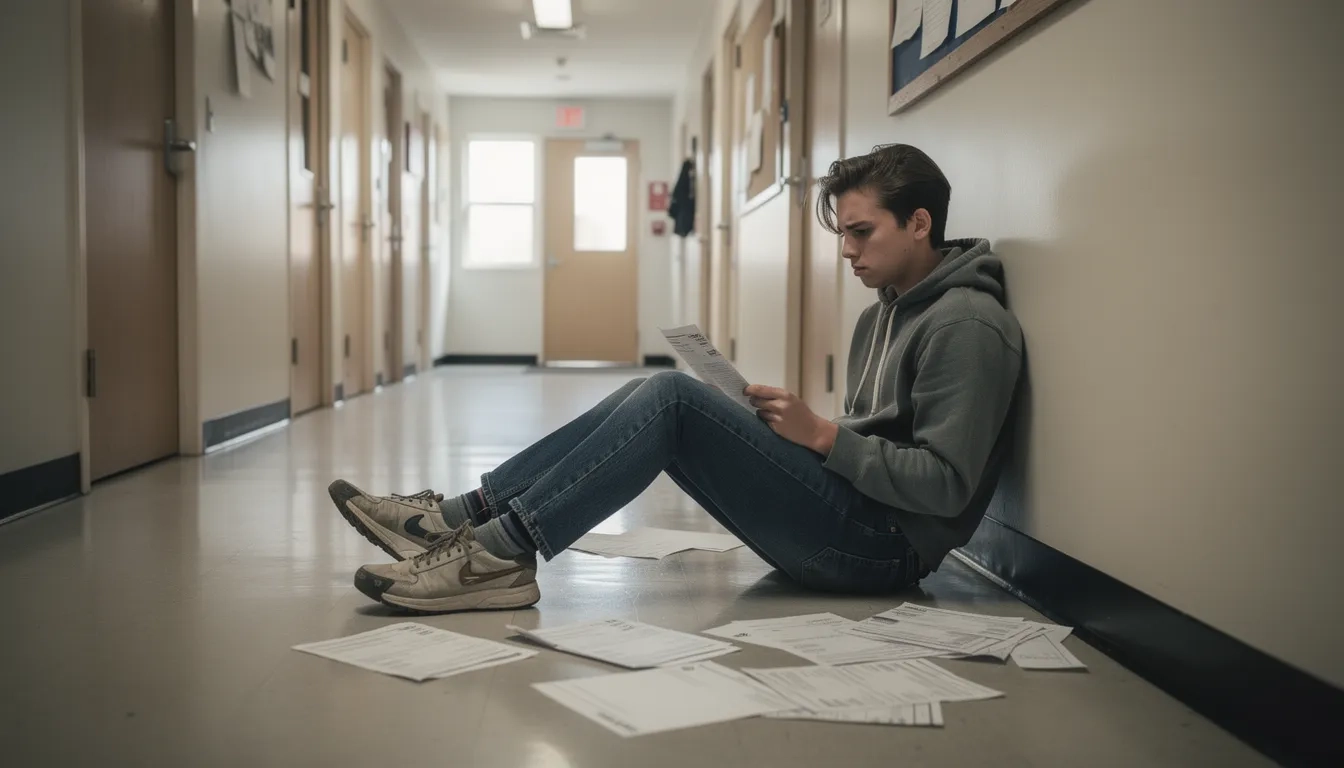
About 1 in 10 Cal State University students experienced homelessness in the past year, according to CalMatters reporting from February 2026. Not some loosely defined "housing instability." Actual homelessness — sleeping in cars, couch-surfing with whoever would take them in, going weeks without a fixed address while trying to finish a degree. Most of them never applied for a dollar of rental help. Not because programs didn't exist, but because they had no idea where to start.
That gap between available help and students who actually receive it is the real problem. This guide closes it.
How Bad Is the Student Housing Crisis?
The scale is genuinely striking. A 2023 survey by the Hope Center for College, Community, and Justice found that 47% of students at four-year universities dealt with housing insecurity in the previous year — struggling to pay rent, facing eviction threats, or moving frequently because of financial pressure. Nearly 14% experienced outright homelessness.
The biggest misconception is that emergency assistance programs exist only for the most extreme cases. You don't need to be sleeping in your car. A job loss, a medical bill that wiped out your savings, an unexpected family financial collapse — all of these meet the threshold for emergency aid at most institutions.
California's Rapid Rehousing program has helped over 9,000 students since 2020. It now operates across all 10 UC campuses, 25 community colleges, and 18 Cal State campuses. Still, that number is a fraction of those who were eligible and never applied.
Three Layers of Emergency Help — and Why Order Matters
Think of student emergency rental help as a three-tier system. The tiers don't replace each other; they stack. Most students who get meaningful relief draw from at least two.
| Layer | Who Runs It | Typical Amount | Turnaround |
|---|---|---|---|
| Campus emergency fund | University / basic needs center | $50–$2,000 | 3–10 business days |
| State / local programs | State housing agencies, county orgs | Varies widely | 2–6 weeks |
| Community nonprofits | Catholic Charities, Salvation Army, local funds | $200–$1,500 one-time | Often under 1 week |
The sequence matters. Start with your campus. Campus programs carry lighter documentation requirements, make faster decisions, and are designed specifically for enrolled students. State and community programs can offer more money, but they take longer and want more paperwork.
One important note on federal programs: the Emergency Rental Assistance 2 (ERA2) program, which distributed pandemic-era federal funding through state agencies, officially closed on September 30, 2025. If you've heard about state ERAs, check whether your state still has active local funding before counting on it.
Your Campus Emergency Fund: The First Call to Make
Almost every public university and community college now has some version of a basic needs center or student emergency fund. This is where you begin, full stop.
UC Berkeley's Basic Needs Emergency Fund is a useful benchmark. It covers up to one month of rent for students who have lost income, face a safety issue, or can't pay due to an unexpected emergency. It also covers housing security deposits, provided you submit a copy of your signed lease. Response times run up to 7–10 business days, which means if you're facing an imminent eviction, you need to apply the moment you recognize the problem — not the week everything falls apart.
The University of Minnesota's emergency fund works on a similar model. Awards range from $50 to $1,000. The application process starts with a quick email to the One Stop office; they send you the formal intake form within one to two business days. There's one critical limitation: you're eligible for a single emergency grant per academic career at Minnesota. That's not a typo. One grant, for your entire time as a student. Treat it like a last resort, not a first move.
A few patterns show up repeatedly when students hit dead ends at this stage:
- Assuming they won't qualify because they don't feel "broke enough." Campus programs define hardship as any unexpected event that threatens your continued enrollment — not a minimum bank balance.
- Skipping the FAFSA because they assume they won't receive much. Many campus emergency grants require a current FAFSA on file. File it regardless.
- Not knowing that international and undocumented students are eligible. Campus emergency funds are institutional money, not federal grants. International students and DACA recipients can apply. The FAFSA requirement is waived for students who are ineligible to file it — schools have alternative applications. Ask specifically about this.
If your school brands this fund something different — a "CARE fund," a "student crisis fund," a "dean of students emergency grant" — it's the same mechanism. Call the financial aid office or the dean of students office and ask directly.
State, Local, and Nonprofit Programs: Stacking Your Support
Once you've applied through your campus, don't stop. The 211 hotline (call or text "211" in most states, or visit 211.org) connects you to local emergency housing programs in your county. It's one of the most consistently underused resources in this space. The call takes about 10 minutes and operators will ask for your zip code, household size, and the nature of the emergency — they match you to what's actually available locally.
California's Rapid Rehousing program goes beyond a one-time check. It pairs emergency housing with rental subsidies, case management, and academic advising — the goal is to keep students enrolled, not just housed for a month. Community college students qualify too, not just four-year university students.
Minnesota's Emergency Assistance for Postsecondary Students (EAPS) Grant flows through participating institutions to directly support students experiencing homelessness. Notably, Minnesota's definition of homeless includes "doubling up" — living with friends or family because you have no other stable option. A lot of students in that exact situation don't realize they meet the definition for assistance.
For one-time help with a security deposit or first month's rent, Catholic Charities chapters and local Salvation Army offices frequently run housing emergency funds. Religious affiliation is not required. These organizations often move faster than government programs because they're not processing thousands of applications through a state portal.
The three most productive calls in a student housing emergency: your campus basic needs office, 211, and one local nonprofit. Each knows about programs the others can't provide.
Step-by-Step: How to Apply
Here's the process in the order it should happen:
- Contact your campus basic needs office or financial aid office today. Ask specifically about emergency housing grants. Bring documentation of the hardship when you call or email.
- File your FAFSA if it isn't current. The 2025–2026 FAFSA is required for most campus aid. International or undocumented students should ask about the institution's alternative application process.
- Call 211 and explain you're a student in a housing emergency. They'll match you to county and city programs in your area that you likely don't know about.
- Check your state's ERAP status. Search "[your state] emergency rental assistance 2026" and look for an official .gov result. Some states still have active funding from prior appropriations; others have fully exhausted it.
- Apply to at least one local nonprofit. Catholic Charities, Salvation Army, and your county's housing authority are good starting points. There is no rule against applying to multiple sources simultaneously.
- Tell your landlord you have an active application pending. This is the step most students avoid. Landlords who know relief is coming are far less likely to file eviction paperwork during the processing window.
Documents to Gather Before You Start
Missing documents are the most common reason applications stall. Get these together before you open any application portal:
- Government-issued photo ID (driver's license, state ID, or passport)
- Current lease or rental agreement showing your name, address, and monthly rent amount
- Proof of income or proof of no income (recent pay stubs, bank statements from the past 30 days, or an unemployment determination letter)
- Documentation of hardship (eviction notice, past-due rent statement, utility shutoff notice, or a written explanation of the triggering event)
- Proof of enrollment (your class schedule or an enrollment verification letter from your student portal — this takes under three minutes to download)
- Utility bill showing your address, if you don't have a formal lease
One detail that separates funded applications from denied ones: the written hardship explanation. Many programs ask you to describe what happened and how the money will help. Be specific. "I lost $1,243 in monthly income after my employer reduced hours on April 3rd, and my May rent of $975 is now 22 days past due" is far stronger than "I'm having financial difficulties." Specificity signals to reviewers that you've genuinely assessed your situation, not just filled out a form.
The Timing Problem — Why Waiting Destroys Your Options
Here's a direct take: apply the moment rent becomes uncertain, not after it becomes overdue. Processing windows are real. UC Berkeley takes up to 10 business days. Most state programs run two to six weeks. An eviction proceeding in many states can begin within 3 days of a missed payment and conclude in under 30 days.
Students who wait until the "pay or quit" notice arrives have dramatically fewer options. Campus funds can flag applications for expedited review in true emergencies, but that's not guaranteed and it depends on the fund having available money at that moment.
A practical threshold: any rent that's more than 14 days behind is already an emergency. That's the moment to start making calls, not the day the court date is set. The students who successfully get through this process aren't the ones in the deepest crisis — they're the ones who moved first.
Bottom Line
Emergency rental assistance as a student is more available than most people think. But it doesn't arrive automatically; you have to ask.
- Start with your campus basic needs office or financial aid office — this is your fastest path to help.
- File your FAFSA immediately if it's not current; it's a gateway document for most campus and federal aid.
- Call 211 to get matched to local programs — one call opens resources most students don't know exist.
- Apply to multiple sources simultaneously — campus fund, state ERAP (if still active), and at least one local nonprofit.
- The most important move: don't wait. The gap between "behind on rent" and "eviction notice" is often 30 days or less. Start the process in week one.
Frequently Asked Questions
Can international students apply for emergency rental assistance?
Yes — for campus-based funds. Most university emergency programs are funded by the institution itself, not federal grants, so international students are fully eligible. You'll need to ask your financial aid office about the campus's alternative application (in place of the FAFSA). State and federal ERAP programs typically require legal residency, but campus funds do not.
Do I need an eviction notice to qualify?
No. Most campus programs define a qualifying emergency as any unexpected hardship that puts your enrollment at risk. A job loss, a sudden reduction in hours, a medical bill, or a family financial crisis can all qualify — even without an official eviction notice in hand. The key word is "unexpected": routine shortfalls don't meet the bar, but genuine crises do.
What if my school doesn't have an emergency fund?
Start with 211. From there, contact your county's housing authority, a local Catholic Charities chapter, or the Salvation Army. The UNCF's Emergency Student Aid program is another option, specifically for students at historically Black colleges and universities or UNCF-affiliated institutions. If your school has a dean of students office, they often know about off-campus resources too.
Will emergency rental assistance affect my other financial aid?
It can. Grants from your school's own emergency fund may count toward your cost of attendance and could reduce other aid if you've already hit that ceiling. Ask your financial aid office before applying. In most cases the net effect is still positive, since emergency funds are filling a gap conventional aid doesn't cover — but knowing beforehand prevents surprises.
How long does the money actually take to arrive?
Campus funds are the fastest: typically 3–10 business days after a complete application. State programs average 2–6 weeks. Some local nonprofits can move in under a week for documented emergencies. Apply everywhere simultaneously rather than waiting for one decision before starting another application.
Are part-time students eligible for campus emergency funds?
Eligibility thresholds vary by school. UC Berkeley requires current enrollment in the relevant term. The University of Minnesota requires at least half-time status. Some programs set a minimum of 3 enrolled units per semester. Check your specific campus policy — and if you're part-time due to financial pressure rather than preference, explain that clearly in your application narrative.
Sources
- 1 in 10 Cal State students face homelessness. This emergency housing program helps — CalMatters
- Emergency Fund — UC Berkeley Basic Needs Center
- Student Emergency Funds — University of Minnesota One Stop
- Get Emergency Rent Assistance — USAGov
- Emergency Assistance for Postsecondary Students (EAPS) Grant — Minnesota Office of Higher Education