California’s reading wars: a timeline
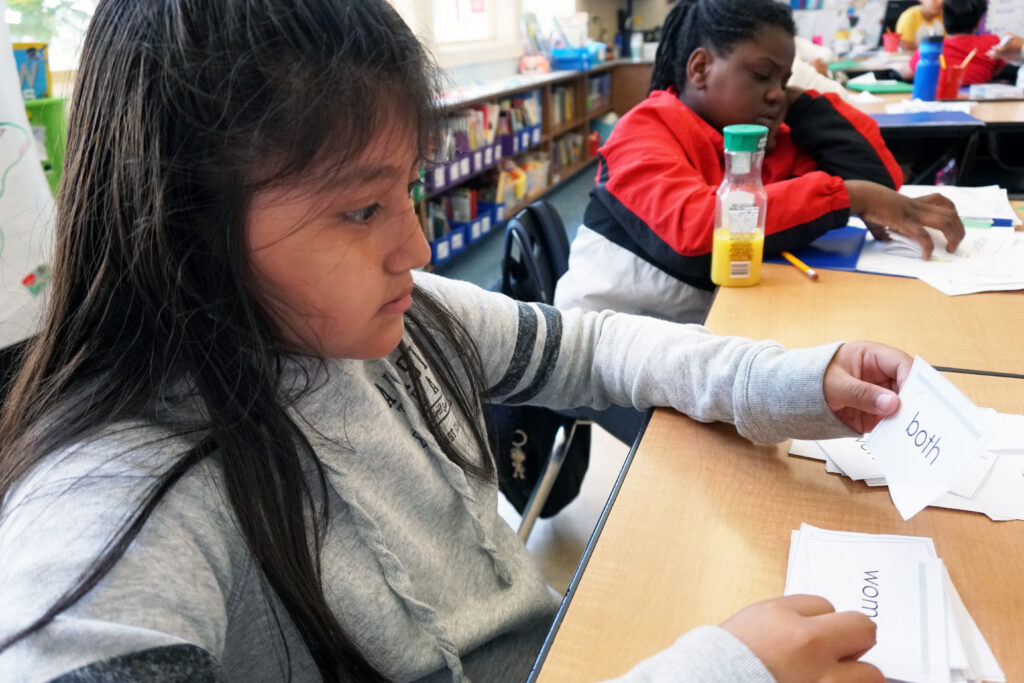
California embraces whole language reading instruction, which focuses on
the meaning and context of words in literature.
In response to test scores showing more than half of fourth graders
couldn’t read well enough to understand a basic text, Marion Joseph is
appointed to a state task force charged with improving early reading
instruction. A grandmother from Menlo Park dubbed the “Paul Revere of
the Reading Wars,” she was a crusader for phonics instruction, which
focuses on the relationships between the letters of written language and
the sounds of spoken language.
She died this year.
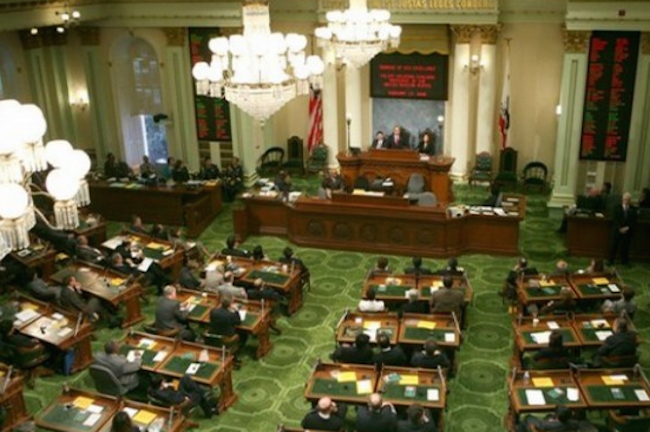
The Legislature passed phonics bills, then funded teacher training and
new textbooks based on reading research.
California is at the leading edge of the phonics-based movement. The
Reading Instruction Competence Assessment, RICA, created by the
California Commission on Teacher Credentialing, debuts to measure a
teacher’s ability to teach students in evidence-based practices.
Congress convenes the
National Reading Panel
responding to the national literacy crisis. The panel reviewed
previously published studies and in 2000 recommended the explicit and
systematic teaching of phonemic awareness and phonics, a guided oral
reading strategy, and fluency and comprehension strategies.
 Reading First,
a national initiative in favor of evidenced-based phonics reading
instruction, such as the Open Court curriculum, holds sway in
California.
A backlash partially motivated by teacher resentment of Open Court’s
regimentation, some say, sets off a return movement toward the whole
language. Over time, a mix of whole language and phonics, in which many
say the former is favored, known as “balanced literacy,” becomes the
dominant methodology in reading instruction, although a hodgepodge of
methods exists throughout the state under local control.
The State Board of Education adopts the English Language Arts/English
Language Development Framework for California. It provides guidance to
teachers and textbook publishers on how to incorporate the Common Core
standards in the classroom. Its K-2 chapters include sections on
teaching basic reading skills including phonics. Not widely promoted, it
is scheduled to be revised in 2025.
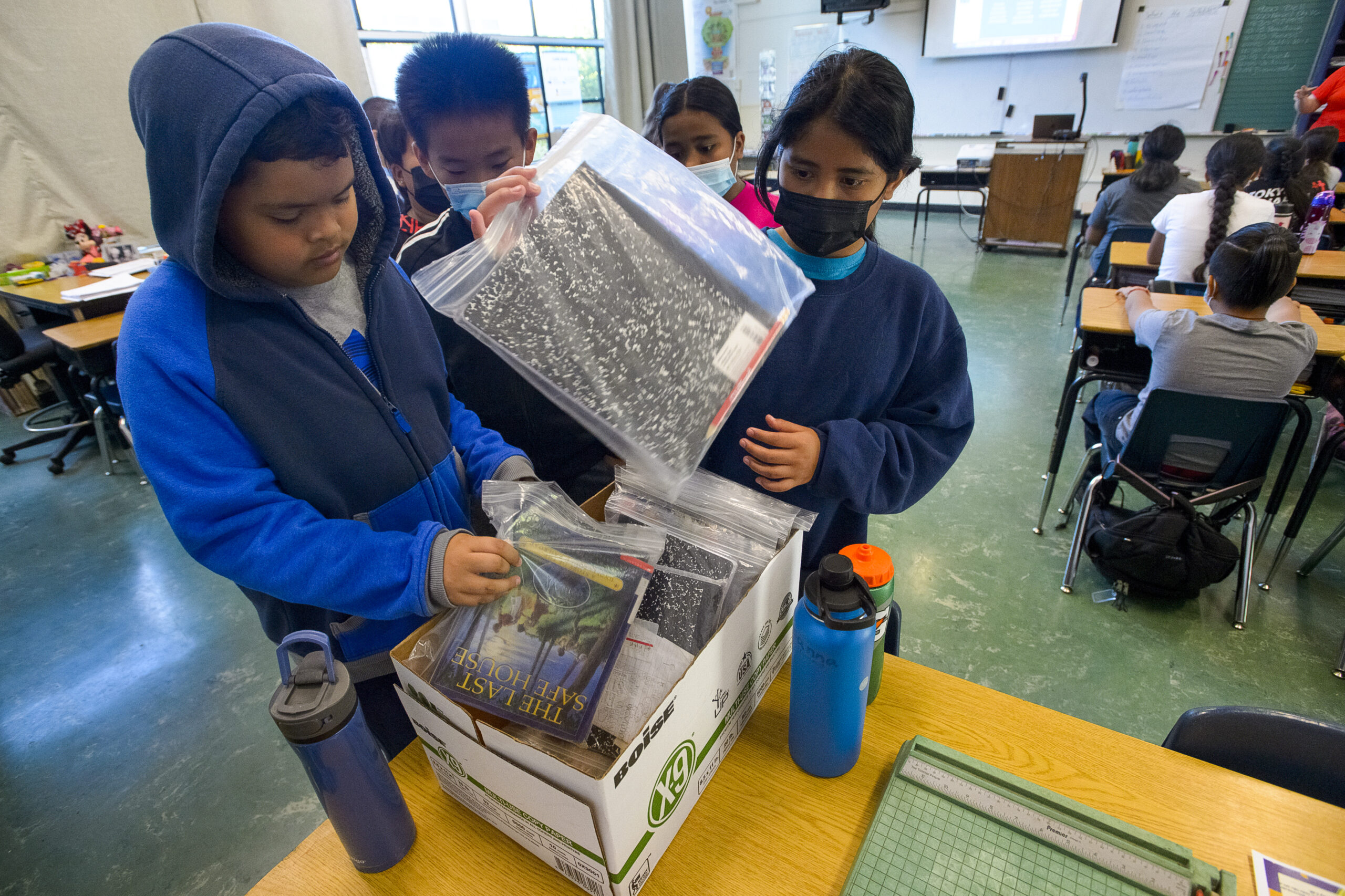
The landmark “Ella T.” case argued that literacy — the ability to read,
write and understand language — is a civil right. In a 2020 settlement,
California agrees to
spend $50 million
help the lowest-scoring schools.
Plunging reading scores led American Public Media reporter Emily Hanford
to investigate the impact of the reading wars in
an ongoing series of stories
starting in 2018, drawing parent and teacher attention to the flaws in
the system.
reading scores in 2019 shared a $50 million
settlement from the state
to end their “Ella T.” lawsuit that alleged it denied them a quality education. The
funds paid for literacy coaches, teacher’s aids, reading materials and
teacher training.
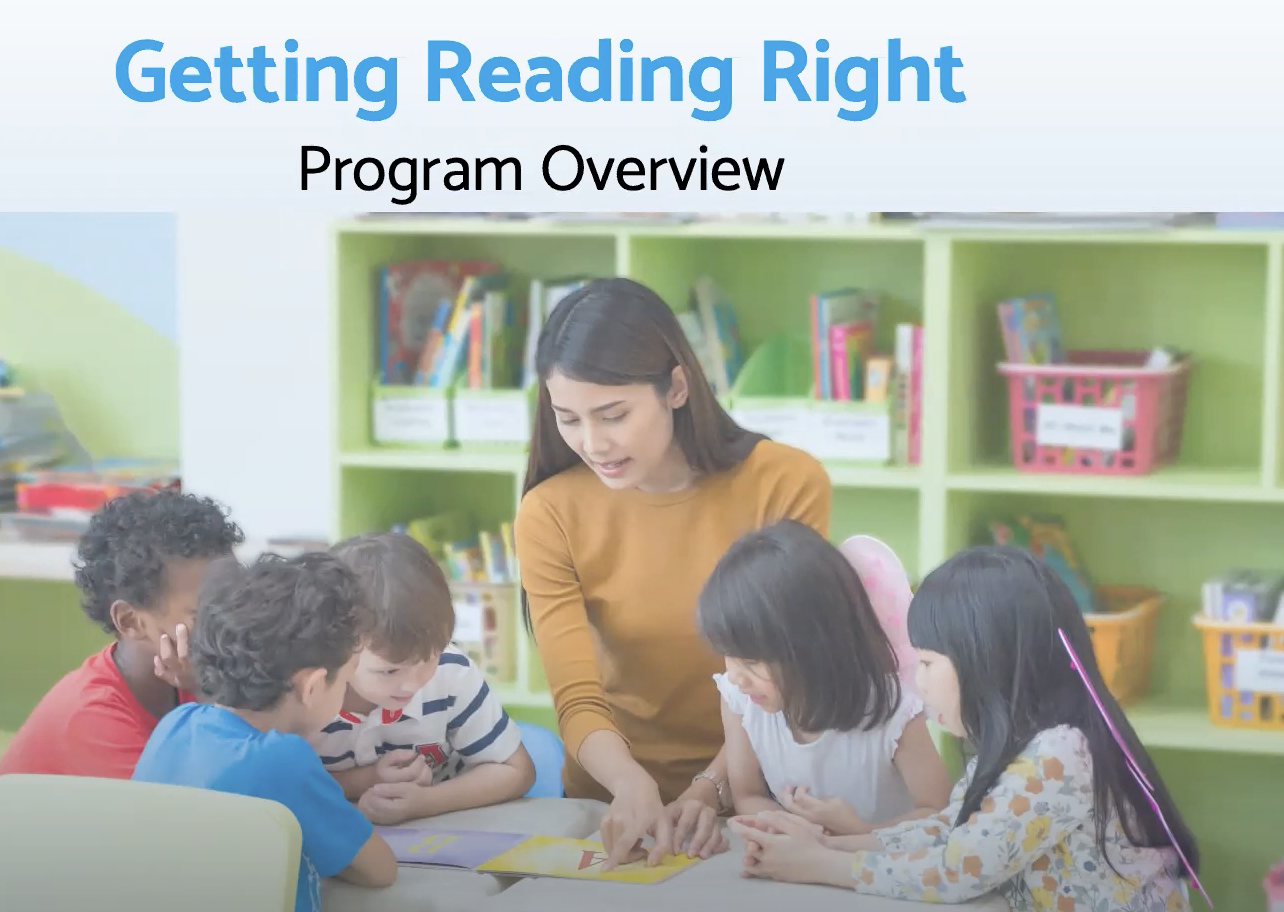
The debut of
“Getting Reading Right,”
a course in explaining principles of structured literacy, is launched by
Leslie Zoroya of the Los Angeles County Office Of Education. By fall of 2025,
more than 12,000 teachers statewide had taken the K-5 or 6-12 versions.
Todd Collins, a former Palo Alto Unified trustee, establishes California Reading
Coalition to convene groups interested in the “science of reading.” Its
first Reading Summit, on Oct. 21, 2021, draws 500 registrants and 250
live attendees, under the theme “Getting California Moving.”
curriculum following a petition from the local chapter of the NAACP.
 U.S. State Superintendent of Public Instruction Tony Thurmond creates
a task force to help get all third graders reading by 2026. He rejects a
state-mandated curriculum.
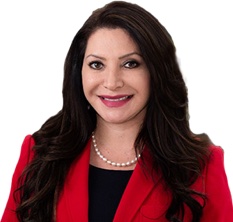
The State Legislature passes
SB 488, primary sponsor Sen. Susan Rubio, D-West Covina, which mandates new
literacy teaching standards for July 2025.
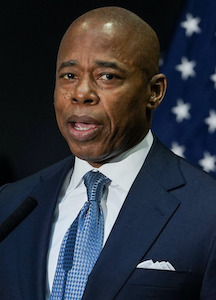
New York City Mayor Eric Adams, who has dyslexia himself, orders a
phonics-based reading program for all schools and targeted services to
identify and help children with dyslexia.
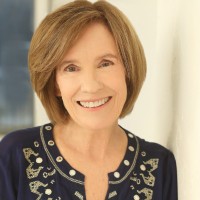 Lucy Calkins, an icon of the balanced literacy camp, admits to flaws in her
philosophy, revising her curriculum to embrace more phonics.
instruction, few California districts are using literacy instruction
based on decades of research, according to a California Reading Coalition
report.
early literacy but districts can spend the extra money they are getting
on early literacy staffing, books and training. The budget cut in half
the $500 million Gov. Gavin Newsom sought for reading coaches. At the
urging of Newsom, who himself has dyslexia, the state is funding $18
million to UC San Francisco to create a screening tool in multiple languages to detect reading difficulties, including
dyslexia. But a bill to require K-2 testing stalled this year amid fears that English
learners would be over-identified.
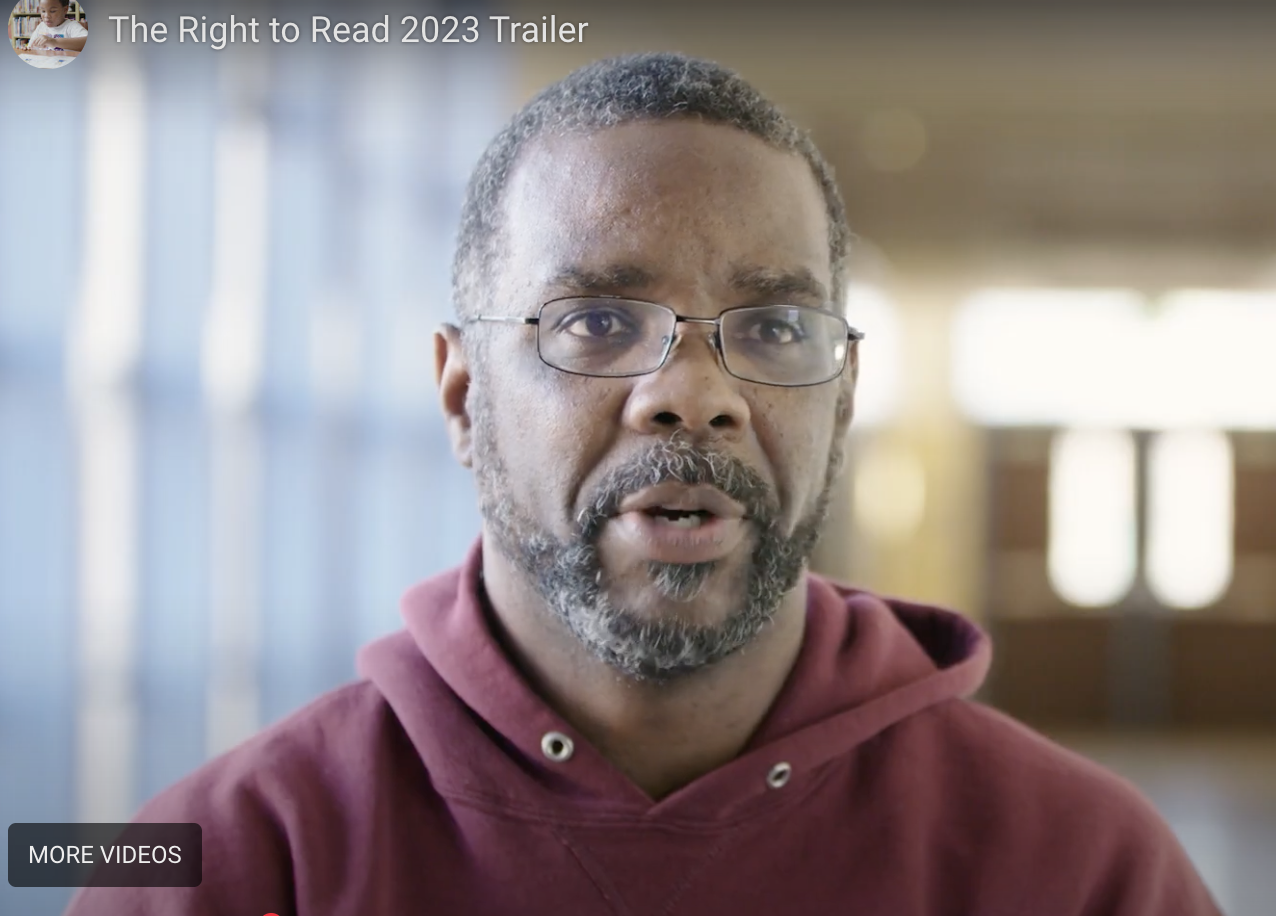
First screening of “The Right to Read,” a documentary produced by LeVar
Burton of Reading Rainbow, it follows the struggle of NAACP activist
Kareem Weaver to replace failed reading instruction in Oakland. The film
is shown throughout the state.
Stanford University research found that the 75 California elementary
schools that received funding from an out-of-court settlement on the
Ellta T. lawsuit made significant progress on third grade state Smarter
Balanced tests.
California Gov. Gavin Newsom proposes literacy instruction based on what
is known as the “science of reading.” He called on experts to create a
literacy roadmap that emphasized phonics, phonemic awareness and other
decoding skills in the early grades.
Teacher preparation programs begin teaching to a set of new literacy
standards, mandated by Senate Bill 488, and teaching performance expectations,
approved by the California Commission on Teacher Credentialing.
which would have required teachers to use the science of reading
approach to literacy instruction, died amid opposition from the California Teachers
Association and English learner advocates. State Assembly Speaker
Robert Rivas orders advocates and opponents to negotiate a compromise
for a bill in 2025.
opposition from the CTA and English learner advocates.
California Gov. Gavin Newsom said the state budget will include hundreds
of millions of dollars to fund legislation needed to achieve a
comprehensive statewide approach to early literacy.
Schools must select from four tests to screen kindergarten through
second grade students to detect possible reading difficulties. They must
begin administering the tests this school year.
The Reading Instruction Competency Assessment (RICA), used to prove new
teachers can teach literacy, is replaced with a literacy performance
assessment with a sharpened focus on phonics and other foundational
reading skills.
is on its way to the governor’s desk. The bill would provide teachers
with evidence-based resources and training in reading instruction,
including phonics in kindergarten and first grade. The State Board of
Education would select a new list of instructional materials tied to
what’s commonly called the science of reading. Districts must select
from the list or justify their choices. The state would update reading
instruction in administrators’ credentialing programs.